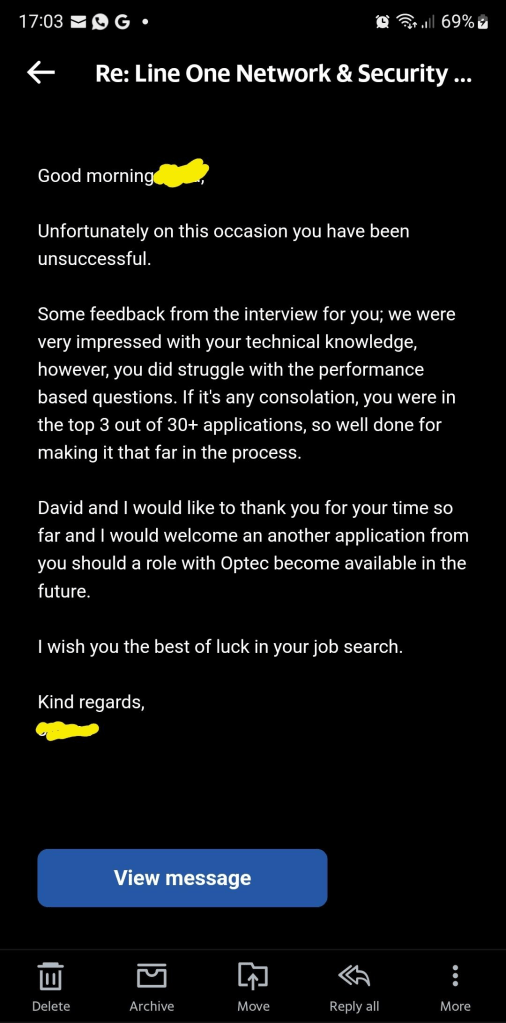
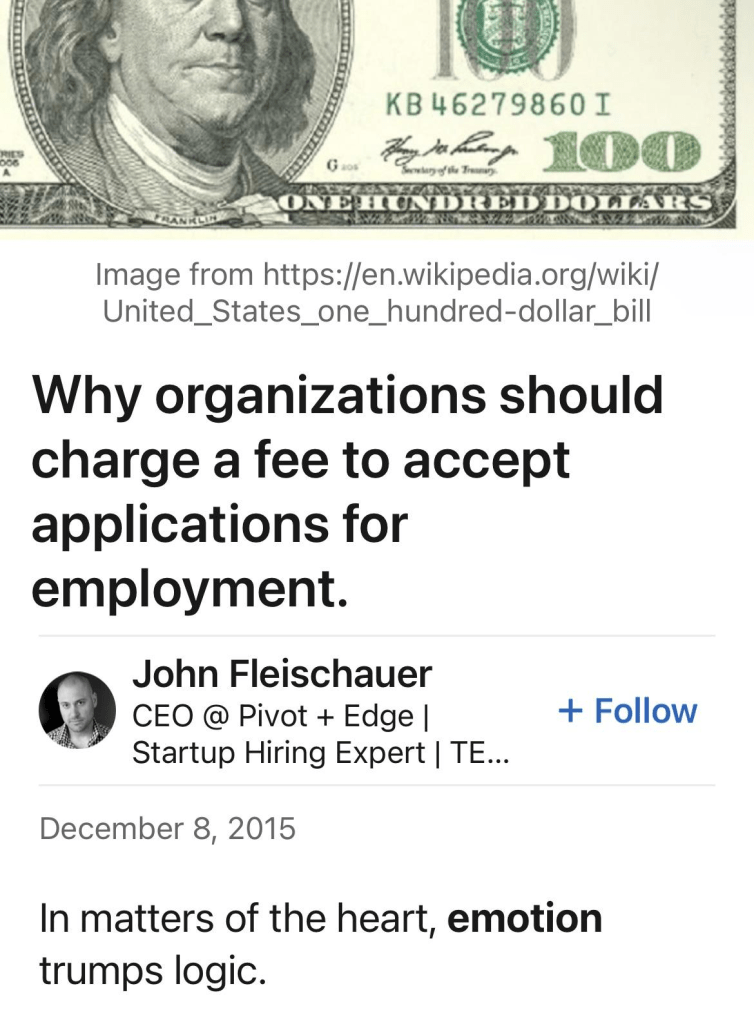
Ep 50. Recruiter Asking for Current Salary; Credit Hours; Women in Engineering; First Day of Work; Bragged at Work

Episode 50 of the Engineering Success Podcast

Don’t miss a blog post or a podcast episode, subscribe to my newsletter on ⁠⁠⁠⁠⁠⁠⁠⁠⁠⁠⁠www.ENGRingSuccess.com⁠⁠⁠⁠⁠⁠⁠⁠⁠⁠⁠ Support the on podcast on Spotify or on Patreon: ⁠⁠⁠⁠⁠⁠⁠⁠⁠⁠https://www.patreon.com/ENGRingSuccess⁠⁠⁠⁠⁠⁠⁠⁠⁠⁠ Top tier supporters – shout out each episode of the month for $10 monthly donation. Follow along on all social medias: ⁠⁠⁠⁠⁠⁠⁠⁠⁠⁠⁠https://linktr.ee/ENGRingSuccess⁠⁠⁠⁠⁠⁠⁠⁠⁠⁠⁠ To submit your question, email ⁠⁠⁠⁠⁠⁠⁠⁠⁠⁠⁠daniel@ENGRingSuccess.com

⁠⁠⁠⁠⁠⁠⁠⁠LinkedIn Lunatics/Career Craziness

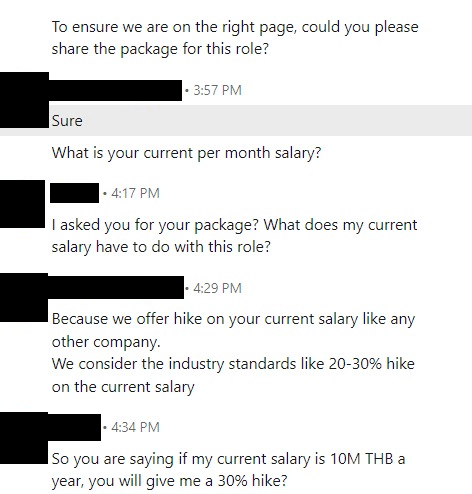
⁠⁠⁠1. Some of these people are brain-damaged (External Recruiter Asked for Current Salary)⁠

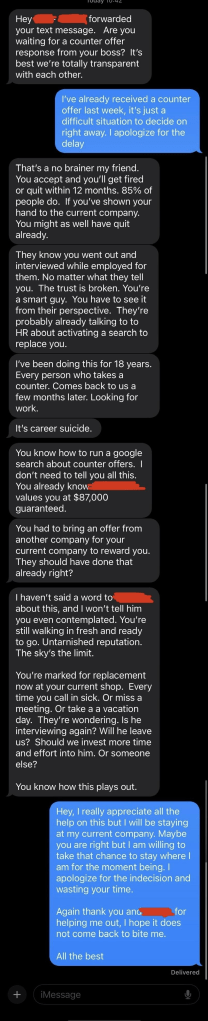
⁠⁠⁠2. Unhinged Recruiter trying to give me major FOMO⁠

⁠⁠⁠⁠⁠⁠⁠Engineering College Q’s

⁠⁠⁠3. How many credit hours?⁠

Hi guys,

Currently considering doing an exchange semester in the US (UT Austin to be specific). I will have to obtain 30 ECTS credits during the semester, which according to UT Austin should be equivalent to ~15 credit hours. (Ideally I should have even more classes to cover all my required classes that I would have at my home university.) However, everywhere I have looked online tells me that 12 credit hours is the norm. I’m asking here because it seems like most of you guys are in the US.

For context I am in electrical/automation engineering, and I will be doing my exchange during the 4th year of a 5 year masters.

What do you guys think? Is 15 (or even more) credit hours too much?

⁠⁠⁠4. ???? can he even do this⁠

⁠⁠5. why most men do not like women in engineering roles⁠

I’d like to emphasize, that like everything else in this post, the text is from someone that isn’t me. I do NOT endorse any of the things said below.

I am recently retired from a 40 year engineering career in aerospace. Please don’t hate on me, these are factual /real world examples why most men avoid / shun women in the field:

Most women are angry about something most of the time, who wants to be around /work with people like that?

Most men are leery /down right afraid of being accused. the accusation is enough to derail a career so most men avoid women in the field.

Most women are not willing to learn or accept how projects /methods/ or systems are typically run or performed. Many are too ready to push a theory or method they learned in a book or somewhere else and view the push back as being caused by their gender or inexperience. they have no respect for the rules written in blood. In many cases someone died to prove why things are done a certain way.

Women generally blame someone or something else for their failure. many times it is your own hubris / inexperience that caused the failure. In this vein women are many times promoted beyond their skill set to position of authority they are not prepared for. There is a reason that most leadership roles were assigned to those with at least 20-30 years of experience.

Many women did not / do not want to do the hard nasty work required to gain the experience to be an effective engineer. New grads used to be cycled through the shop floor for at least 36-48 months before they go close to an engineering role. This yields book smart engineers who have little or no direct knowledge of the products or systems they are working on.

I have worked with some excellent women in engineering back in the day, they worked hard and knew their shit and when some guy was rude to them they were rude right back, only the weak ones ran to HR.

lastly women have little or no respect for those who came before them, men or women. They think they are the first one to have a thought or have invented the technology. Many things that are thought to be new are not. Engineering is a skill that requires many many years of continuous effort and a passion for life long learning, if you think it is a 9-5 job you are in the wrong field.

⁠⁠⁠Career Advice

⁠6. How do I handle the nervousness on my first day at work out of grad school?⁠

Starting on a new job tomorrow and very nervous. Any suggestions and tips will be much appreciated. Also are there any particular questions I have to ask on the first day? I am a semi-introvert and self conscious about my talents even though I have been good in academics. I am aware that Industry and practical experience must be different from academics knowledge and hence more nervous. What are the things that I must do from day 1- helpful tips to stay on top of my game? TIA

⁠7. I bragged at work and now regret it. How to recover from this?⁠

So few months ago, I found a flaw in the code and a senior member of the team told me it was not a big deal. I heard his explanation and agreed to it.

Yesterday, another teammate found the same flaw and I told him personally about what happened few months ago.

In team meeting, my manager asked about it and I was quick to once again mention how I had found it few months back and was ignored. Manager joked about how everyone should always listen to me.

I now realize that I might have spoken in a ‘i told you so’ manner and this might have left a bad impression on my teammates who are all brilliant in their own right (but humble).

I deeply regret my behavior and can’t stop thinking about it.

How do I make the situation better and improve my image in the team?

⁠8. EIT, salary feels way to low⁠

I have 2 years of internship experience and I am graduating in December. I got my EIT back in July. I’m based in southern California.

A company I’m interviewing next week had a preliminary phone call with me today. On the application, I put the higher range for the salary (82,000) and they said this role is typically starting at 68,000. The range was 66-82. 68?? That feels WAY too low. I was prepared to negotiate down to 80. I’m frustrated because I see others on this sub, no EIT, no experience, getting 76 starting. It’s a mid size design company for water.

Should I walk away from negotiations if they’re not meeting my requirements? I feel like I have experience and my EIT so I should have a higher compensation. There’s not many entry level engineers that do nowadays. I have applied to a few more design firms.

Any tips on negotiating this situation would be super helpful. I don’t want to burn bridges but I want to stand my ground and know my worth. I don’t want to accept it right away either in case other offers come in, any tips on how to tell them I need more time?

_____________

Subscribe on YouTube to watch short excerpts of podcast episodes addressing specific topics: ⁠⁠⁠⁠⁠⁠⁠⁠⁠⁠⁠https://www.youtube.com/channel/UCj86alc3a7_A_PibgYpkWFg⁠⁠⁠⁠  ⁠⁠⁠⁠⁠⁠⁠ Daniel is a Mechanical Engineering graduate of Trinity University’s B.S. in Engineering Science and currently works in Commercial Management in the Engineering and Construction Consulting Industry. All views expressed on this podcast are his own and do not reflect the opinions or views of his employer. Music by Maxgotthetracks: ⁠⁠⁠⁠⁠⁠⁠⁠⁠⁠⁠https://open.spotify.com/artist/0Pclog68AY1⁠⁠⁠⁠⁠

Ep 49. Fake Job Interview; 70 Hour Workweek; Leave Job After 6 Months; What To Do After a Career Fair?

Episode 49 of the Engineering Success Podcast

Don’t miss a blog post or a podcast episode, subscribe to my newsletter on ⁠⁠⁠⁠⁠⁠⁠⁠⁠⁠www.ENGRingSuccess.com⁠⁠⁠⁠⁠⁠⁠⁠⁠⁠ Support the on podcast on Spotify or on Patreon: ⁠⁠⁠⁠⁠⁠⁠⁠⁠https://www.patreon.com/ENGRingSuccess⁠⁠⁠⁠⁠⁠⁠⁠⁠ Top tier supporters – shout out each episode of the month for $10 monthly donation. Follow along on all social medias: ⁠⁠⁠⁠⁠⁠⁠⁠⁠⁠https://linktr.ee/ENGRingSuccess⁠⁠⁠⁠⁠⁠⁠⁠⁠⁠ To submit your question, email ⁠⁠⁠⁠⁠⁠⁠⁠⁠⁠daniel@ENGRingSuccess.com⁠⁠⁠⁠⁠⁠⁠⁠⁠⁠

LinkedIn Lunatics/Career Craziness

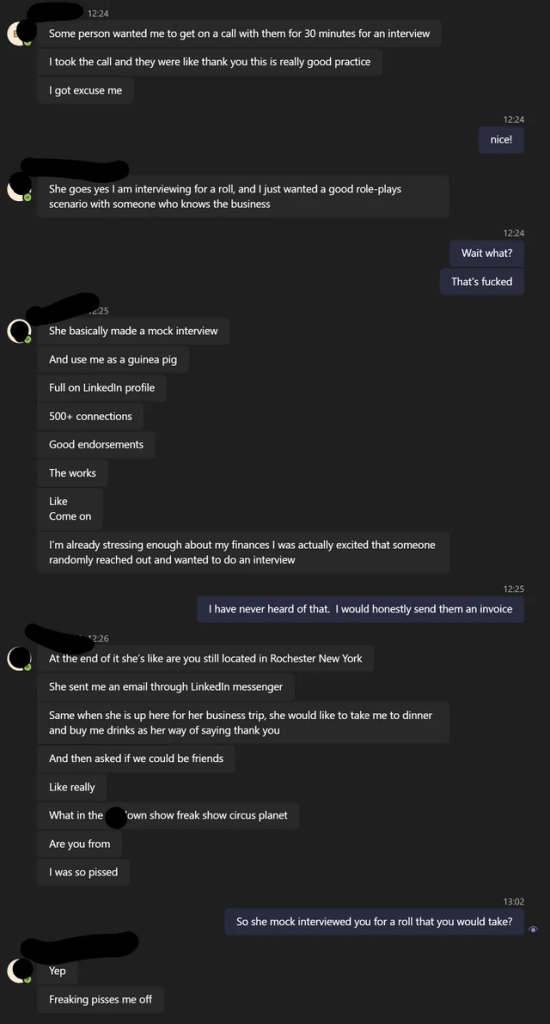
⁠⁠1. This just happened to my colleague… (Fake Job Interview)⁠

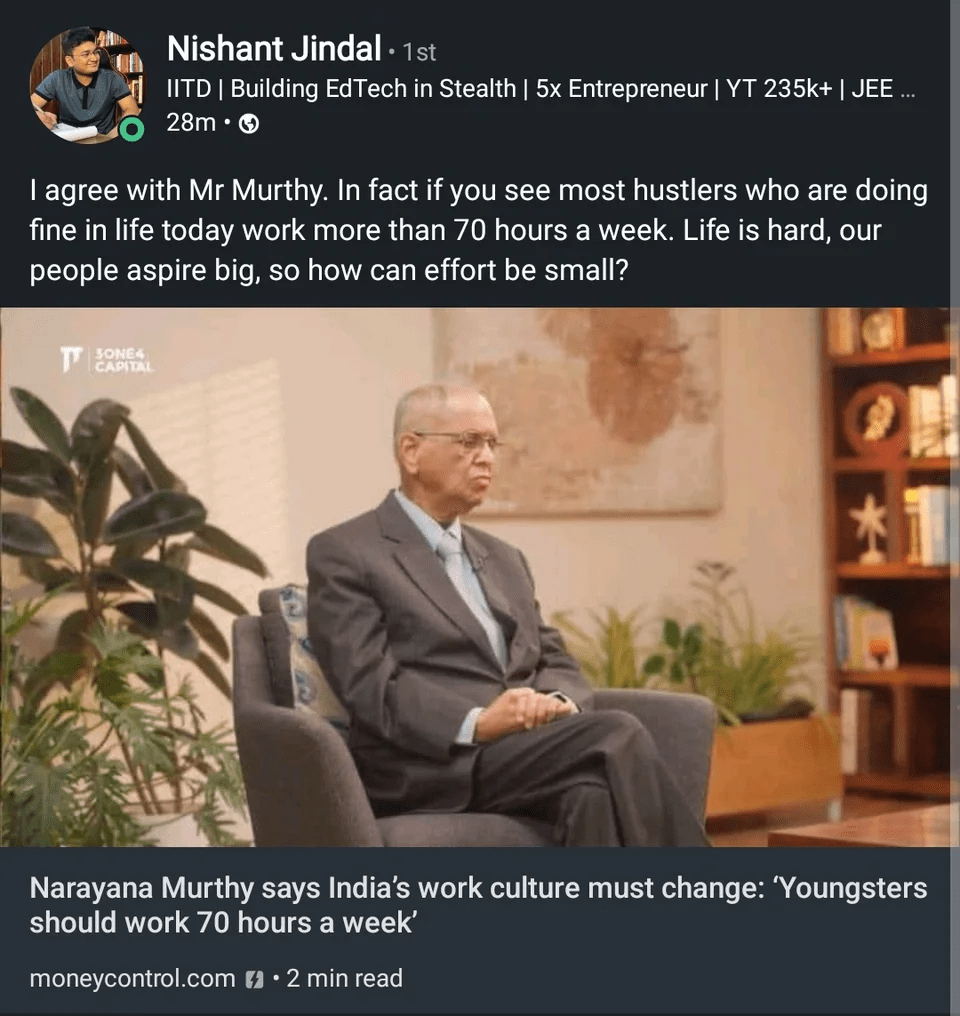
⁠⁠2. Found one in the wild (70 Hour Work Week)⁠

⁠⁠⁠⁠⁠Engineering College Q’s

⁠⁠3. Does it really matter what university you go to for engineering?⁠

I’m currently a freshman attending UB, the school is certainly above average in many respects but I’m wondering if not going to Purdue or a higher ranked engineering school will make any difference in my future. I love the school I’m currently attending, especially for the cost… but they lack some resources in some areas where I think Purdue definitely would have them. I’ve been thinking of transferring to Purdue but my major is currently a closed program there and I’m not sure if and when that will change. Any advice?

⁠⁠4. How tf do y’all have any freetime?⁠

Good evening y’all, I am just curious as to how y’all are able to have any sort of free time as full-time students. Between me driving an hour each way to school 5 days a week, self-teaching myself for 3 of the four junior-level courses because my professors are incompetent and the copious amounts of homework how do y’all do it? I literally only get a couple of hours to myself a week that I am not completely exhausted to do anything. This has never been a problem for me because in the past most of my professors did a good job of conveying the material. But that’s my rant and I would love some tips.

⁠5. How do I know if I should switch out of engineering?⁠

I’m a first year engineering student and I haven’t gone a day without thinking about switching to my backup major (not engineering). I’m not worried about grades or anything, but I have a hard time seeing myself being happy taking these classes for four years. I’m not particularly interested in any subject, so I’m mainly interested in a fulfilling, stable career that isn’t the focus of my life. I’ve heard that very few engineering students actually enjoy college, but it’s worth it… is this true? Any advice on how I can tell if engineering is right for me?

⁠6. Take your FE exam while you’re still in school⁠

I graduated in May. I’m studying for the FE mechanical exam and I forgot nearly everything already haha. Sure it won’t be hard to review, but guys please just take it in one of your final semesters.

⁠7. Got kicked from program 4 years in. What do I do⁠

Seeking advice. I’m 4 years into my mech E degree and failed to pass a class on the 3rd attempt. I have my personal reasoning I won’t unpack here. At my school this means you are booted from the college of engineering and can reapply after a year. It will have been a year in December and I’m getting anxious about the chances of readmission.

In the meantime, I’ve been interning for a well-known consultant for the last year and a half – got the job before all this. I’m reluctant to tell them because I’m learning a lot and I want to keep gaining experience. But they are asking when my graduation date is and it’s stressing me out. I’m taking classes right now to help my chances of getting readmitted (read: boost my GPA). I currently don’t have a good backup plan. Anyone else ever been in this situation?

⁠8. Anyone else find calc 3 the more difficult of all the calc classes?⁠

Got the results back for my first calc 3 exam and it’s the worst test grade I’ve ever received (below a 50) any advice? I thought calc 3 was supposed to be easy but I honestly find the calc 2 and 1 stuff easier

Career Advice

⁠⁠9. Leaving after 6 months⁠

I took on a new process engineering role back in May (2yrs exp before). In June, I was asked to cover as a production supervisor while they searched for a new hire. I was told it would only be an occasional thing as they had other engineers trained to supervise as well.

However, within 4 weeks I was the only engineer “available to supervise.” I have been working 2nd shift since July. As a result, all of my engineering projects are on hold but yet my boss still expects all of them to be completed which means my bonus/review is going to be horrendous next year. My social life is non-existent due to all of my hobby clubs meeting on weekdays and working until 11pm on Fridays. I have to fight fires alone without knowing anything. And when I do reach out after hours and take their advice and it doesn’t work, I get blamed for it.

I did not sign up to be a 2nd shift supervisor. I signed up for a 1st shift engineering position. When I talked to my boss about this, he basically said tough shit. I have no financial obligations to stay other than maybe finding a job that pays similarly. Is it really that bad to leave so early with very little to show from the job in terms of engineering project experience? It’s not like I improved the plant at all since starting other than filling in and giving the other supervisors a break.

If I’m just being a little wimp about this then let me know that too. Maybe I was too coddled in my last job where any hours over 40 were comp’d with extra PTO

⁠⁠10. What do I do after following up with employers on LinkedIn?⁠

I talked to employers at my uni’s career fair and sent follow up thank yous to them. One responded, the other accepted my connect request. What I do now? Do I just apply and hope they now have a better chance of choosing me?

⁠⁠11. I went to my university’s career fair and two recruiters from different companies told me they’d like me to follow up with them and to re-send them my resume. Is this significant at all?⁠

I’m graduating with my aerospace engineering degree this fall. When I visited the booths their responses were very similar in that they said my resume looked good and that they wanted me to send it to them personally in a follow up email.

This is the second time I’ve been to a career fair but it is also the first time I’ve gotten this kind of response. For those of you who have experienced this before, what happened? They didn’t mention anything about an interview so I’m curious about what could happen now. Thanks.

⁠12. Why not Company X?⁠

I’m a senior in college going through the job application process and got asked a question I wasn’t entirely sure how to respond to by a recruiter. After telling them about my intern experience, they asked why I wasn’t returning to the same company.

The thing is, I didn’t receive a return offer. I think this was because I started later than all the other interns, so when the company was deciding who to extend offers to I had only been around for about a month and hadn’t had time to form strong relationships or progress my projects much. At the end of my term, my manager said he was happy with my performance, but they just didn’t have any positions open. The company hasn’t had any job postings since then, so I’m pretty confident I wasn’t passed up due to performance.

Moving forward, when a recruiter or interviewer asks why I’m not returning to the same company, what should I tell them? Should I explain that timing might have played a factor, or should I just say that I’m exploring my options?

⁠13. Co-worker only uses speaker phone and expects us to be quiet⁠

So, we used to be in separate cubicles, but recently our company changed the layout and there’s 5 of us sharing one small area, we call them bull pens. In my bull pen one of my co-workers only uses his speaker phone, he never picks up the handset. This wouldn’t be too much of an issue, except when he joins online meetings he still uses the speaker and expects everyone around him to be dead silent. I have my own work to do, and it usually involves discussing some matters with other co-workers. Myself and others in my pen have tried telling him to simply use the handset instead, but he insists that it is “a respect thing” and we should be silent. Is there any ideas on how to solve this? Someone had an idea of printing off phone etiquette panels and handing them out

⁠14. Would you become an operator for higher pay?⁠

A friend of mine just left his EIT rotation to work as a full time operator making over $150k CAD. He was making about $87k before. Would you have made this move?

His new role as an oilfield operator is remote but they’re also providing free housing (not a camp, an actual house)

I can’t help but feel kind of jealous. Like, I know he just abandoned his engineering career but at the same time he’s nearly doubled his salary and he’s only 23.

Operators at my site are also making much more than the engineers after OT. Is that a common theme in the industry?

_____________

Subscribe on YouTube to watch short excerpts of podcast episodes addressing specific topics: ⁠⁠⁠⁠⁠⁠⁠⁠⁠⁠https://www.youtube.com/channel/UCj86alc3a7_A_PibgYpkWFg⁠⁠⁠  ⁠⁠⁠⁠⁠⁠⁠ Daniel is a Mechanical Engineering graduate of Trinity University’s B.S. in Engineering Science and currently works in Commercial Management in the Engineering and Construction Consulting Industry. All views expressed on this podcast are his own and do not reflect the opinions or views of his employer. Music by Maxgotthetracks: ⁠⁠⁠⁠⁠⁠⁠⁠⁠⁠https://open.spotify.com/artist/0Pclog68AY1⁠⁠⁠⁠⁠

Watch one of my popular videos on YouTube here:

Ep 47. Evil Company Interview Practices; How to Solve Engineering Problems; Starting First Engineering Job; Relocations; Paying for Company Travel

This was a fun one to record. I’m studying for the P.E. Exam and I found the first question in engineering college questions “How do you guys instantly know what formulas to use for a question?” to be especially relevant to how I’m going about studying now, and how I went about it when I was in engineering school!

I hope you enjoy this episode. Quick links are below.

LinkedIn Lunatics/Career Craziness

⁠⁠⁠⁠⁠⁠1. Ask the candidate to go fight in Ukraine – bravery⁠

Engineering College Q’s

⁠2. How do you guys instantly know what formulas to use for a question?⁠

⁠3. Is it worth doing a dual degree of Chemical Engineering and Chemistry?⁠

⁠4. MechE or ChemE⁠

Career Advice

⁠5. First job⁠

⁠6. Can I take a month vacation between an internship and being hired full-time?⁠

⁠7. My partner recently graduated but nobody wants to hire her and I’m worried it’s because of her GPA.⁠

⁠8. My firm is asking me to relocate⁠

⁠9. What to do if I can’t afford to pay upfront to go on company trip?⁠

Subscribe on YouTube to watch short excerpts of podcast episodes addressing specific topics: ⁠⁠⁠⁠⁠⁠⁠⁠https://www.youtube.com/channel/UCj86alc3a7_A_PibgYpkWFg⁠  ⁠⁠⁠⁠⁠⁠⁠

Episode 47 of the ENGRing Success Podcast Don’t miss a blog post or a podcast episode, subscribe to my newsletter on ⁠⁠⁠⁠⁠⁠⁠⁠www.ENGRingSuccess.com⁠⁠⁠⁠⁠⁠⁠⁠ Support the on podcast on Spotify or on Patreon: ⁠⁠⁠⁠⁠⁠⁠⁠https://www.patreon.com/ENGRingSuccess⁠⁠⁠⁠⁠⁠⁠⁠ Top tier supporters – shout out each episode of the month for $10 monthly donation. Follow along on all social medias: ⁠⁠⁠⁠⁠⁠⁠⁠https://linktr.ee/ENGRingSuccess⁠⁠⁠⁠⁠⁠⁠⁠ To submit your question, email ⁠⁠⁠⁠⁠⁠⁠⁠daniel@ENGRingSuccess.com⁠⁠⁠⁠⁠⁠⁠⁠

Daniel is a Mechanical Engineering graduate of Trinity University’s B.S. in Engineering Science and currently works in Commercial Management in the Engineering and Construction Consulting Industry. All views expressed on this podcast are his own and do not reflect the opinions or views of his employer. Music by Maxgotthetracks: ⁠⁠⁠⁠⁠⁠⁠⁠https://open.spotify.com/artist/0Pclog68AY1⁠⁠⁠⁠⁠

Life Update: I’m Taking the P.E. Exam; I Was a Guest on a Podcast; and I Have a Speaking Engagement

by Daniel Dahlinger

Hey y’all. It’s been a minute! The past two weeks, I’ve been able to record and upload two new episodes of the podcast (45 and 46) which was super exciting. I have a lot of fun recording the episodes, and all the editing, posting, and sharing that comes along with that process. No podcast this week but there were some other developments.

I’m Taking the P.E. Exam

I’ve been on the fence about getting my P.E. license ever since I graduated from college. I’m the kind of person that wants to finish everything he starts, so I’ve always viewed taking the P.E. exam as the culmination of all the hard work I did to get my degree, pass the F.E. and work as an engineer, but the reality is that I don’t necessarily need a P.E. for the career path that I’ve taken. That being said, it’s always stuck in the back of my mind as something that I wanted to do, if I could. So here I go. Wish me luck!

I’ve been blessed with the opportunity to take a prep course for the P.E. Exam, and have started the process of studying for the exam with a targeted exam date of March 2024. I’ll make sure to update all of you on how that process is going in the intro bit of my podcast, and I’m also considering doing some other short form content to chronicle my process. Maybe a short every day? Not sure. If you have an idea on how I could vlog the process, please let me know! I’m open to all kinds of ideas.

I Was a Guest on A Podcast

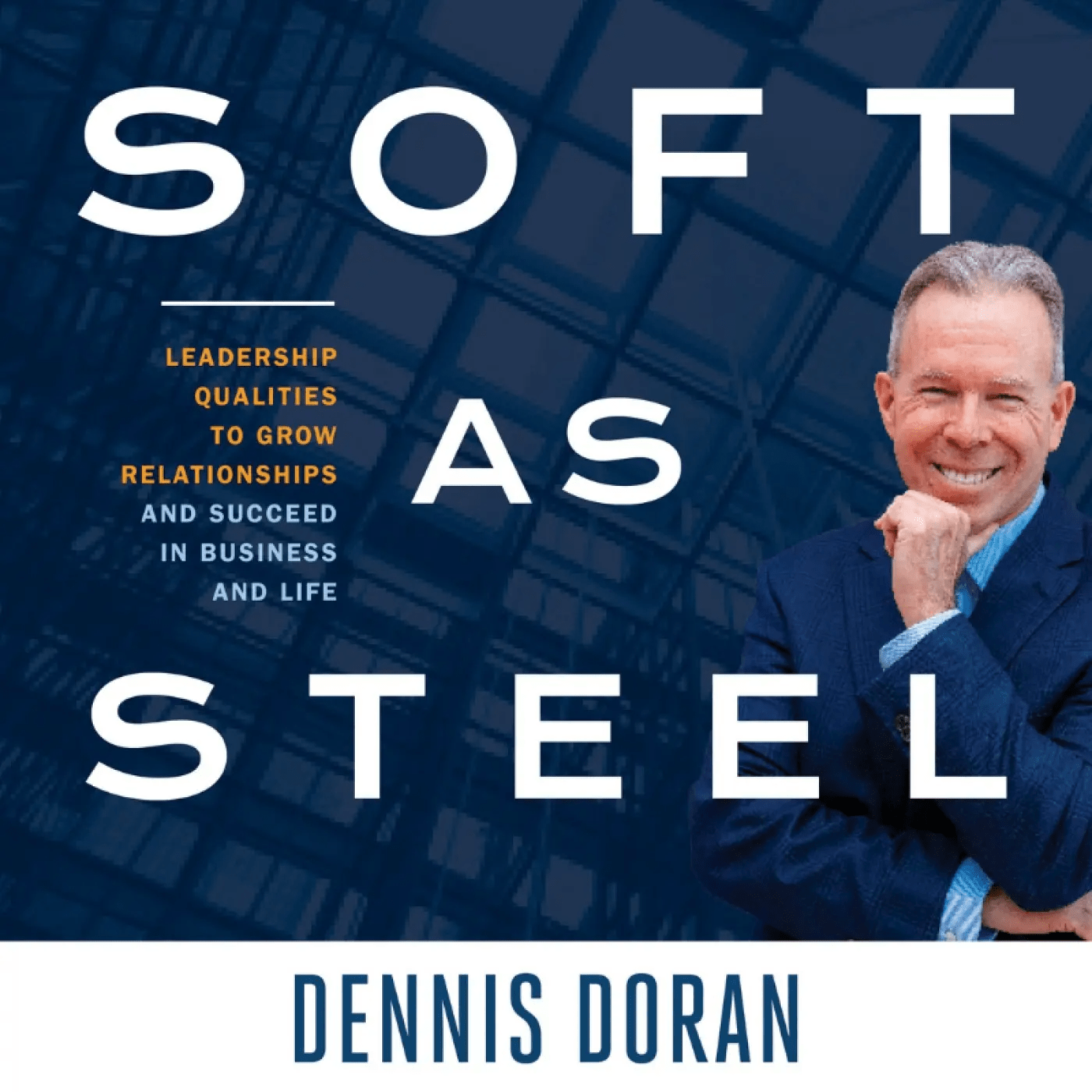
I was approached by Dennis Doran, host of the Soft as Steel Podcast, to appear on his podcast, and we recorded an episode last Friday. I had an absolute blast and Dennis and his team are absolute professionals. Seriously… the production level they have is at a level that I can only aspire to… Maybe once the podcast starts generating revenue I can take the step up to professional podcast producing, but for the time being I still don’t even have my LLC yet and we’re netting negative dollars when it comes to keeping this thing running, so I’ll keep on running this show the way I know how (indie, cheaply, and all by myself!)

Enough of me complimenting Dennis – why was I a guest on his podcast? Well the podcast touches on many topics in the realm of soft skills, specifically related to working in the Construction industry. I’m proud to work for the largest merit shop contractor in the U.S., and to have just come off a field assignment… so I know a little bit about construction and what it’s like working out in the field (trailers). Dennis asked me some insightful questions about leadership, the construction industry in general, and about what will draw young people to working in the construction industry. He also gave me ZERO preview of the questions, so he got some rambling answers from me, but altogether some honest, raw, content that really showcased my personal opinion on the industry as a whole. Once my episode goes live, you’ll have to listen to it, and I’ll make sure to update this article with a link to the interview, but in the meantime, make sure to check Dennis out and listen to his weekly episodes here:

The Press Tour Continues: I Have a Speaking Engagement

In college I had the opportunity to be involved in multiple clubs and organizations, but one that was particularly relevant to my career was my chapter of ASME (American Society of Mechanical Engineers). One of my roles was Professional Development Chair, and coincidentally I’ve been approached by the current Chair to give a talk on a topic of my choosing. I’m going to be talking to them about what it’s like to work in engineering consulting and for an EPC firm, and sharing my experience and career growth that I have had in non-design engineering roles. I’m particularly passionate about networking and personal development, and I hope that the students take my words to heart and learn something from what I have to say. That’s in a couple of weeks, and I’ll make sure to update you on how that went once I’ve had the chance to speak with them.

Anyways, thanks for reading this. It’s more of a personal update than anything else, but now you know what’s going on!


Listen to the Latest Episode of the Engineering Success Career Podcast

Ep 46. LinkedIn DM’s; Hire a Stripper; Tips for Freshmen; Technician to Engineer; Call for Reference; Drinking with Co-workers

Episode 46 of the ENGRing Success Podcast

Don’t miss a blog post or a podcast episode, subscribe to my newsletter on ⁠⁠⁠⁠⁠⁠www.ENGRingSuccess.com⁠⁠⁠⁠⁠⁠

Support the on podcast on Spotify or on Patreon: ⁠⁠⁠⁠⁠⁠https://www.patreon.com/ENGRingSuccess⁠⁠⁠⁠⁠⁠

Top tier supporters – shout out each episode of the month for $10 monthly donation.

Follow along on all social medias⁠⁠⁠⁠⁠⁠https://linktr.ee/ENGRingSuccess⁠⁠⁠⁠⁠⁠

To submit your question, email ⁠⁠⁠⁠⁠⁠daniel@ENGRingSuccess.com⁠⁠⁠⁠⁠⁠

LinkedIn Lunatics/Career Craziness

⁠⁠⁠⁠1. Does treating the LinkedIn DMs like tinder count?

⁠⁠⁠⁠2. You have to hire me as a UX Designer because I am a stripper, otherwise it’s discriminatory

⁠3. How is that appropriate!!

Engineering College Q’s

⁠⁠4. For future college freshman, please read the advice given here.

⁠5. Can a CAD technician ever become an engineer?

6. What engineering degree would you recommend for me?

Career Advice

⁠⁠⁠⁠7. Will there be a huge need for chemical engineers in the near future?

⁠⁠⁠8. Friend wants me to call a job he applied for and provide a personal reference

⁠⁠⁠9. Drinking with coworkers

Subscribe on YouTube to watch short excerpts of podcast episodes addressing specific topics: ⁠⁠⁠⁠⁠⁠https://www.youtube.com/channel/UCj86alc3a7_A_PibgYpkWFg  ⁠⁠⁠⁠⁠⁠

Daniel is a Mechanical Engineering graduate of Trinity University’s B.S. in Engineering Science and currently works in Commercial Management in the Engineering and Construction Consulting Industry.

All views expressed on this podcast are his own and do not reflect the opinions or views of his employer.

Music by Maxgotthetracks: ⁠⁠⁠⁠⁠⁠https://open.spotify.com/artist/0Pclog68AY1⁠⁠⁠⁠

EP 45. He Likes WHAT?; Is Engineering Hard Everywhere?; Do School Clubs Matter?; New Hire Making More Than Me (Again); Electrical Engineering in Construction; Vacation; Employment Contract

We’re BACK IN BUSINESS BABY!

Episode 45 of the ENGRing Success Podcast

Don’t miss a blog post or a podcast episode, subscribe to my newsletter on ⁠⁠⁠⁠⁠www.ENGRingSuccess.com⁠⁠⁠⁠⁠

Support the on podcast on Spotify or on Patreon: ⁠⁠⁠⁠⁠https://www.patreon.com/ENGRingSuccess⁠⁠⁠⁠⁠

Top tier supporters – shout out each episode of the month for $10 monthly donation.

Follow along on all social medias: ⁠⁠⁠⁠⁠https://linktr.ee/ENGRingSuccess⁠⁠⁠⁠⁠

To submit your question, email ⁠⁠⁠⁠⁠daniel@ENGRingSuccess.com⁠⁠⁠⁠⁠

LinkedIn Lunatics/Career Craziness

⁠⁠⁠1. I miss when LinkedIn used to be a boring jobs site

⁠⁠⁠2. Lunatics are trying to take advantage of laid off tech workers

3. Cool story… bro (HE LIKES WHAT!?)

Engineering College Q’s

⁠4. Is engineering really difficult everywhere?

5. How much does school involvement matter?

Career Advice

6. New hires (making more than me… again)

⁠⁠⁠7. which fields of study in electrical engineer that are related to construction?

⁠⁠8. Boss ignoring PTO request

⁠⁠9. Do you think a manager should suggest to someone to take vacation if it seems like they’re not?

10. My company wants me to sign a year long contract or i have to pay $10,000

Subscribe on YouTube to watch short excerpts of podcast episodes addressing specific topics: ⁠⁠⁠⁠⁠https://www.youtube.com/channel/UCj86alc3a7_A_PibgYpkWFg  ⁠⁠⁠⁠⁠

Daniel is a Mechanical Engineering graduate of Trinity University’s B.S. in Engineering Science and currently works in Commercial Management in the Engineering and Construction Consulting Industry.

All views expressed on this podcast are his own and do not reflect the opinions or views of his employer.

Music by Maxgotthetracks: ⁠⁠⁠⁠⁠https://open.spotify.com/artist/0Pclog68AY1⁠⁠⁠

Today’s Headlines 7/4/2023

Happy independence day!

Extra, extra read all about it, baby E is here. I’m taking a little bit of time off from work as we navigate the transition, and we’re starting to figure out our night-time sleep routine more and more. It’s been a great time so far and we feel so blessed.

I’d like to make ENGRingSuccess.com a go-to place for engineering industry and career development news, so I’m considering expanding the website to add a news aggregator element, but in the meantime I will just post some articles in my Today’s Headlines series of blog posts. In the meantime, if you’re looking for a great engineering industry news aggregator, check out ENR.com.


Industry News:

Career Development:

Don’t forget to listen to the latest episode of my podcast here:

Ep. 43 How I Got Here, Founder of Pipeline Design & Engineering w/ Aaron Moncur of Being an Engineer Podcast

There aren’t that many podcasts in the engineering career space, but one of the ones that I personally enjoy the most is the Being an Engineer Podcast. That’s why, when I was contacted by the producer of the podcast, asking if I wanted to have Aaron Moncur, host of the Being an Engineer Podcast, on my show, I immediately jumped and said YES!!!!

Now, in true ENGRing Success fashion, this interview features a How I Got Here story, and this story is on the topic of early career growth, dealing with a layoff, and the development of a successful business. If any of those topics interest you, you definitely need to listen to this episode of the podcast, and then you should probably then head over to Aaron’s page and check out his podcast as well!

As always, thanks for your time, and support of the podcast. I really appreciate that you’ve taken the time to read this post, and to listen to the podcast. If you’d like to be a guest on the show, or have a question for me, feel free to email me at daniel@ENGRingSuccess.com.

Ep 42. How to Grow Engineering Leaders and How I Got Here: Engineering Leadership Consulting with Carla Minett

Carla is an engineer and the founder of ⁠Minett Consulting⁠ and Engineers to Leaders™. Carla was born in Peru and moved to the US in her late teens. Growing up in an economically polarized country, she realized that the difference between those who radically improved their lives and those who didn’t, was having access to the right resources and opportunities. So embracing the resources available in the US, she found a pathway to success becoming an Engineer and Emerging leader. Today, we’ll be discussing Carla’s career progression, the lessons she learned along the way, and her consultancy.
Learn more about Carla at ⁠https://www.minettconsulting.com/⁠ or read her:
1) Engineers to Leaders One-Pager:
⁠https://www.minettconsulting.com/Engineers-to-Leaders-Flyer⁠
2) Engineers to Leaders Brochure:
⁠https://www.minettconsulting.com/Engineers-to-Leaders-Program-Brochure⁠
Everything Else
Don’t miss a blog post or a podcast episode, subscribe to my newsletter on ⁠⁠⁠⁠⁠www.ENGRingSuccess.com⁠⁠⁠⁠⁠
Support the on podcast on Spotify for Podcasters or on Patreon: ⁠⁠⁠⁠⁠https://www.patreon.com/ENGRingSuccess⁠⁠⁠⁠⁠
Top tier supporters – shout out each episode of the month for $10 monthly donation.
Follow along on all social medias: ⁠⁠⁠⁠⁠https://linktr.ee/ENGRingSuccess⁠⁠⁠⁠⁠
To submit your question, email ⁠⁠⁠⁠⁠daniel@ENGRingSuccess.com⁠⁠⁠⁠⁠

Subscribe on YouTube to watch short excerpts of podcast episodes addressing specific topics: ⁠⁠⁠⁠⁠https://www.youtube.com/channel/UCj86alc3a7_A_PibgYpkWFg ⁠⁠ ⁠⁠⁠
Daniel is a Mechanical Engineering graduate of Trinity University’s B.S. in Engineering Science and currently works in Commercial Management in the Engineering and Construction Consulting Industry.
All views expressed on this podcast are his own and do not reflect the opinions or views of his employer.
Music by Maxgotthetracks: ⁠⁠⁠⁠⁠https://open.spotify.com/artist/0Pclog68AY1⁠⁠


Watch one of our most popular YouTube Clips

So your safety moments suck… Reviving Engagement and Impact

If you work in the EPC/Construction/Industrial industry, you’re likely familiar with safety moments or similar safety-focused discussions in meetings. However, it’s no secret that these moments can become repetitive or easily overlooked, especially when you’re swamped with numerous meetings throughout the week. Consider revitalizing your safety moments using AI writers like Google Bard or ChatGPT. By leveraging their capabilities, you can generate safety moments based on specific topics that are directly applicable to your industry, ensuring increased engagement and impact

It’s so simple. See below dialog and response from three different large language models for a safety moment on Dropped Objects (no training required):

Prompt: Give me a safety moment on dropped objects, applicable to me and my colleagues that are working on an active construction site

ChatGPT

Today, let’s focus our safety moment on a critical hazard that poses a significant risk on active construction sites: dropped objects. Working at heights and in busy construction areas means that objects can accidentally fall, endangering the safety of workers below. By understanding the hazards and implementing preventive measures, we can significantly reduce the risk of dropped objects incidents. Let’s take a moment to reflect on the importance of preventing dropped objects and how we can collectively contribute to a safer work environment.

Key Points to Highlight:

  1. Secure Tools and Equipment: Ensure that all tools, equipment, and materials are properly secured before starting work. Use tool lanyards, tethers, or other appropriate means to prevent objects from falling. Regularly inspect and maintain these attachments to ensure their effectiveness.
  2. Barricade and Isolate Hazardous Areas: Identify and barricade areas where overhead work or other activities may pose a risk of falling objects. Create exclusion zones and clearly communicate their boundaries to prevent unauthorized entry. Implement warning signs and physical barriers to provide visual cues and promote safety awareness.
  3. Proper Storage and Organization: Maintain a clean and well-organized work area, storing tools and materials in designated locations. Avoid leaving objects unattended or precariously balanced on ledges or edges. Implement effective storage solutions such as shelves, bins, or lockers to minimize the potential for objects to fall.
  4. Inspections and Pre-Task Planning: Conduct regular inspections of the work area, including overhead structures and scaffolding, to identify any potential hazards related to falling objects. Encourage proactive reporting of near misses or unsafe conditions. Incorporate dropped objects prevention measures into pre-task planning discussions to raise awareness and ensure proper risk mitigation.
  5. Personal Protective Equipment (PPE): Wear appropriate PPE, such as hard hats and safety glasses, to protect against potential falling objects. Inspect and maintain PPE regularly to ensure its effectiveness. Report any damaged or malfunctioning PPE to supervisors or the safety team for immediate replacement.
  6. Effective Communication: Establish clear lines of communication among team members to coordinate tasks, especially those involving overhead work. Use hand signals, radios, or other communication devices to ensure everyone is aware of potential falling object hazards and can respond quickly and appropriately.

Conclusion: Preventing dropped objects is essential for maintaining a safe construction site. By implementing these preventive measures, such as securing tools and equipment, barricading hazardous areas, ensuring proper storage and organization, conducting inspections, using appropriate PPE, and fostering effective communication, we can significantly reduce the risk of dropped objects incidents. Remember, safety is a collective responsibility, and by being proactive and vigilant, we can create a work environment where everyone goes home safely at the end of each day.

Google Bard

Sure, here is a safety moment on dropped objects, applicable to you and your colleagues that are working on an active construction site:

Dropped Objects Safety Moment


Introduction

Falling objects are a serious hazard on construction sites. They can cause serious injuries or even death. In 2019, there were 4,935 construction worker fatalities in the United States. Of those, 399 were caused by falling objects.

What is a Dropped Object?

A dropped object is any object that falls from a height and strikes another object or person. This can include tools, materials, debris, or even people.

Why are Dropped Objects Dangerous?

Falling objects can be dangerous because they can travel at high speeds. Even a small object, such as a hammer, can cause serious injury if it falls from a height of just a few feet.

How Can I Prevent Dropped Object Injuries?

There are a number of things you can do to prevent dropped object injuries. These include:

  • Wear a hard hat. A hard hat is your best defense against a falling object.
  • Be aware of your surroundings. Be on the lookout for objects that could fall.
  • Secure tools and materials. Tools and materials should be secured to prevent them from falling.
  • Keep work areas clean and organized. Cluttered work areas can create a tripping hazard and make it difficult to see falling objects.
  • Report any hazards to your supervisor. If you see a hazard, report it to your supervisor so that it can be corrected.

Conclusion

Fallen objects are a serious hazard on construction sites. By following these safety tips, you can help to prevent dropped object injuries.


Here are some additional tips to help prevent dropped object injuries:

  • Use toe boards and guardrails to prevent objects from falling over the edge of a platform or scaffold.
  • Use nets or catch platforms to catch falling objects.
  • Tether tools and materials to prevent them from falling.
  • Do not work under suspended loads.
  • Be aware of your surroundings and watch for falling objects.

By following these safety tips, you can help to create a safer work environment for yourself and your colleagues.

Bing

Sure, I can help you with that. Here is a possible safety moment on dropped objects for your construction site:

Dropped objects are a serious hazard at many worksites, especially when working at heights. In 2017, there were 237 workplace fatalities due to falling objects in the United States1Furthermore, OSHA estimates that over 50,000 “struck-by a falling object” incidents occur each year on construction sites alone1Objects as small as a bolt can cause serious injury or even death when dropped from a higher level and striking an employee working on the ground1Outside of injuries and deaths, dropped objects are responsible for a large cost to employers due to property damage incidents as well1.

We can all decrease falling object incidents by increasing falling object awareness and following some simple safe work practices:

Remember the 3T’s: TrappedTethered and Topped2Make sure your equipment is tested and tagged by the manufacturer2. Look at all work areas where a dropped object incident can happen. Situations such as using aerial lifts and working on scaffolds pose obvious hazards, but try to identify less obvious hazards. An example could be a large wrench sitting on the edge of a piece of equipment that has a mechanic working underneath or even a hot cup of coffee on top of a file cabinet. Paying attention to the smaller hazards translates to safety improvement at your work site1.

Let’s all work together to prevent dropped objects and keep our site safe!

Bing actually gave me references and LINKS! Pretty cool!